







;)
;)




제47회 모스크바 국제영화제 최우수 작품상·최우수 감독상 수상작
 이미지 확대보기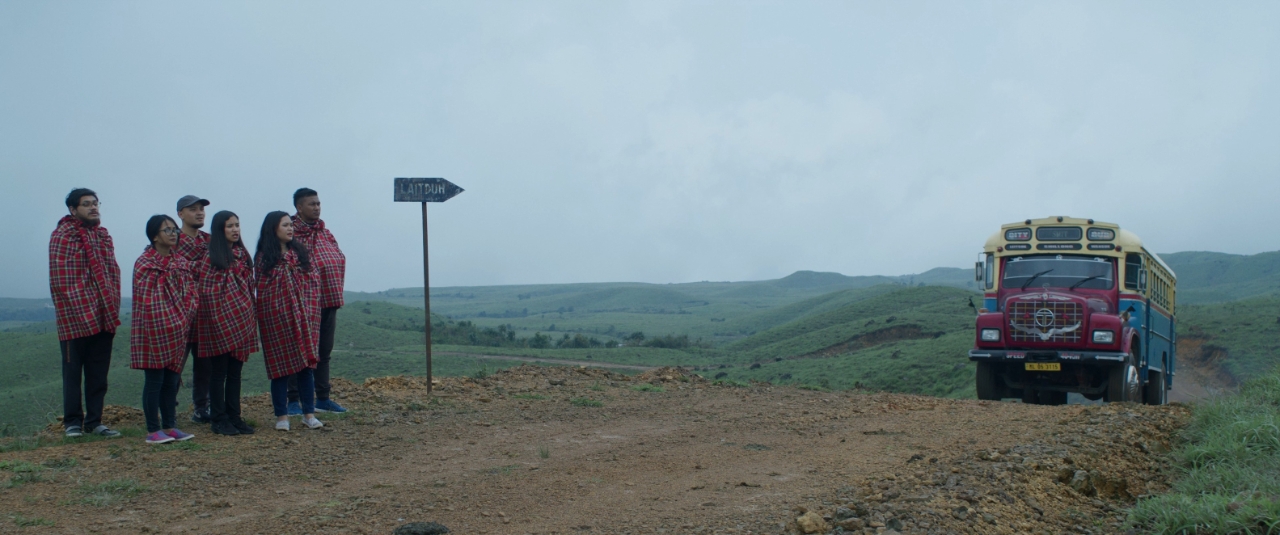
고산 지대 배경의 '엘리시안 필드'는 미니멀리즘적인 연출과 은은한 정치적 메시지를 담아낸 작품이다. 지역 사회의 열악한 기반 시설을 시각적으로 보여주는 방식은 중요 등장인물 중 한 명의 이름을 '컴플리트'라고 지음으로써 더욱 풍자적으로 드러낸다. 컴플리트와 그의 마을 주민 한 명은 10년에서 20년 동안 토지를 소유하지 못했는데, 이는 자신들의 땅이 끊임없이 방치되는 것에 대한 분노 때문이다. 잦은 정전과 불안정한 휴대전화 네트워크에 불만을 품고 있던 주민들은, 지역 선출직 대표가 전력 문제를 해결할 수 있다는 암시를 받자 불만이 대폭 해소되는 듯한다.
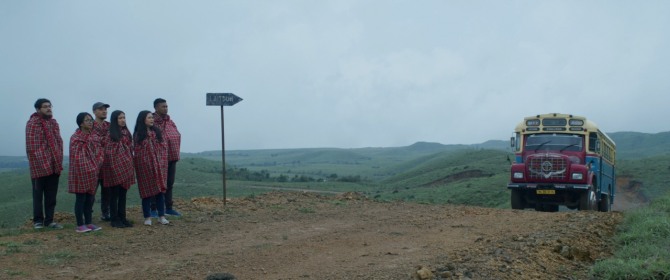
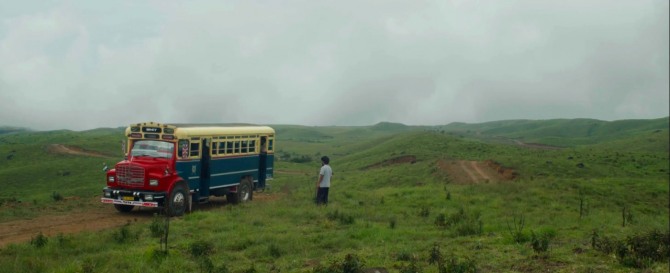
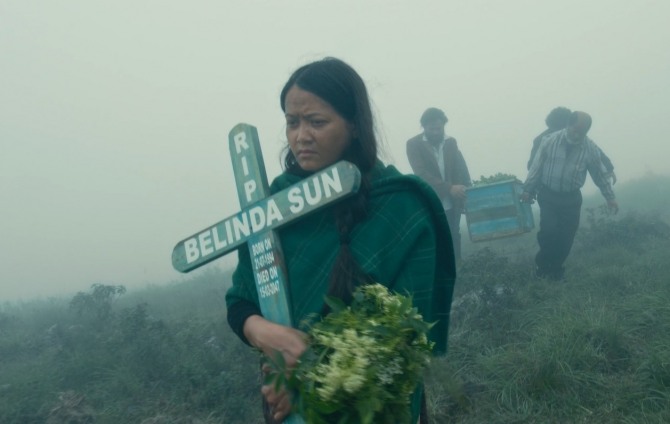
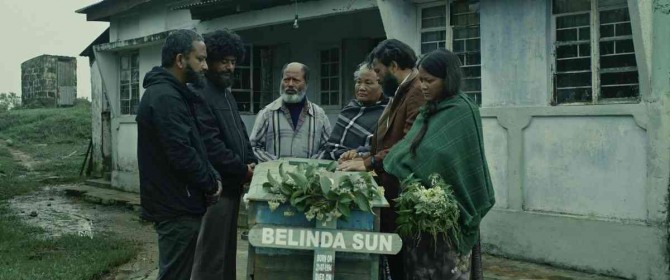
이 영화는 외딴 마을에 남은 여섯 명의 토착민들을 중심으로 전개된다. 버려진 집들은 인구 감소의 증거이며, 이는 외부로의 이주 때문이다. 영화 초반, 한 남자가 버스로 도착하고, 도보로 관이 운반된다. 좁고 포장되지 않은 길과 미완성된 육교 등을 지나가면서 마을의 고립과 낙후된 모습을 보여준다. 사랑하는 아내를 잃은 리빙스턴은 이렇게 도시에서 살다 세상을 떠난 아내를 데리고 온다. 관이 매장될 때, 묘비에는 그녀의 사망 연도가 2047년으로 적혀 있다. 이는 인도 독립 100주년이 되는 해까지 마을 사람들이 변화와 정체에 익숙해져 있었음을 의미한다.
영화 초반 버스 정류장의 풍경은 다양한 젊은이들이 합창하는 모습으로 활기를 띈다. 이 노래는 그 지역과는 어울리지 않는 언어로 불려지는데, 이는 기독교 정신의 포용성을 나타내는 동시에, 컴플리트가 촌장 시절 공언했던 배타적인 사고방식과도 상반된다. 합창단은 현실 세계와 형이상학적 세계를 연결하는 환각적인 모티프를 형성하며, 이는 죽음에 가까운 사람만이 볼 수 있다. 합창단원 중 한 명인 프라이데이는 알코올 중독으로 죽기 전까지 간간이 캐럴을 부르는 모습을 목격하고, 리빙스턴의 어머니 역시 임종을 앞두고 합창단을 천사의 모습으로 보게 된다.
 이미지 확대보기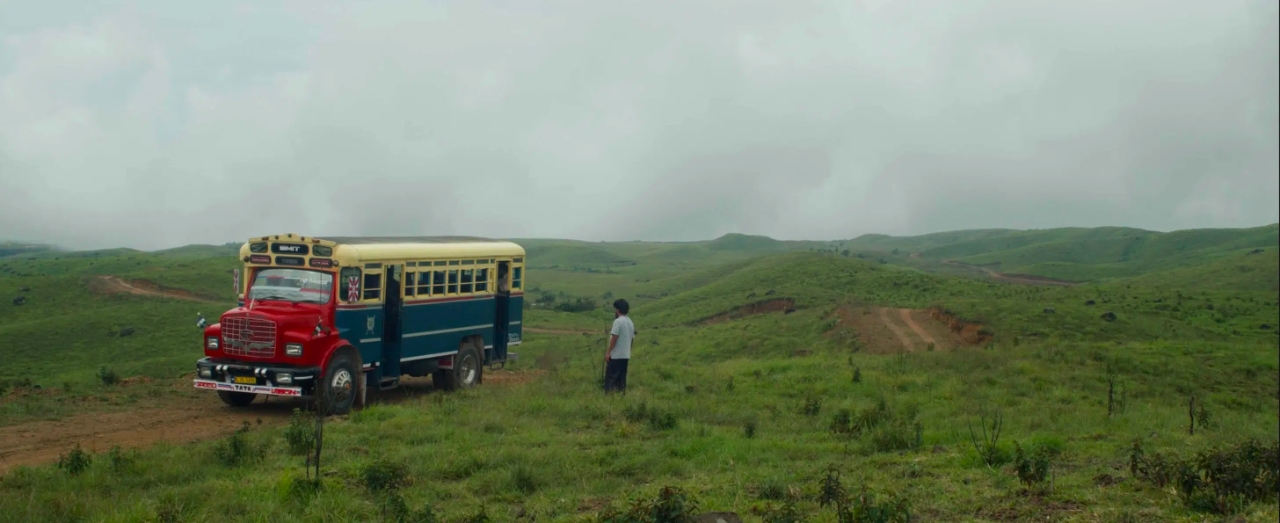
 이미지 확대보기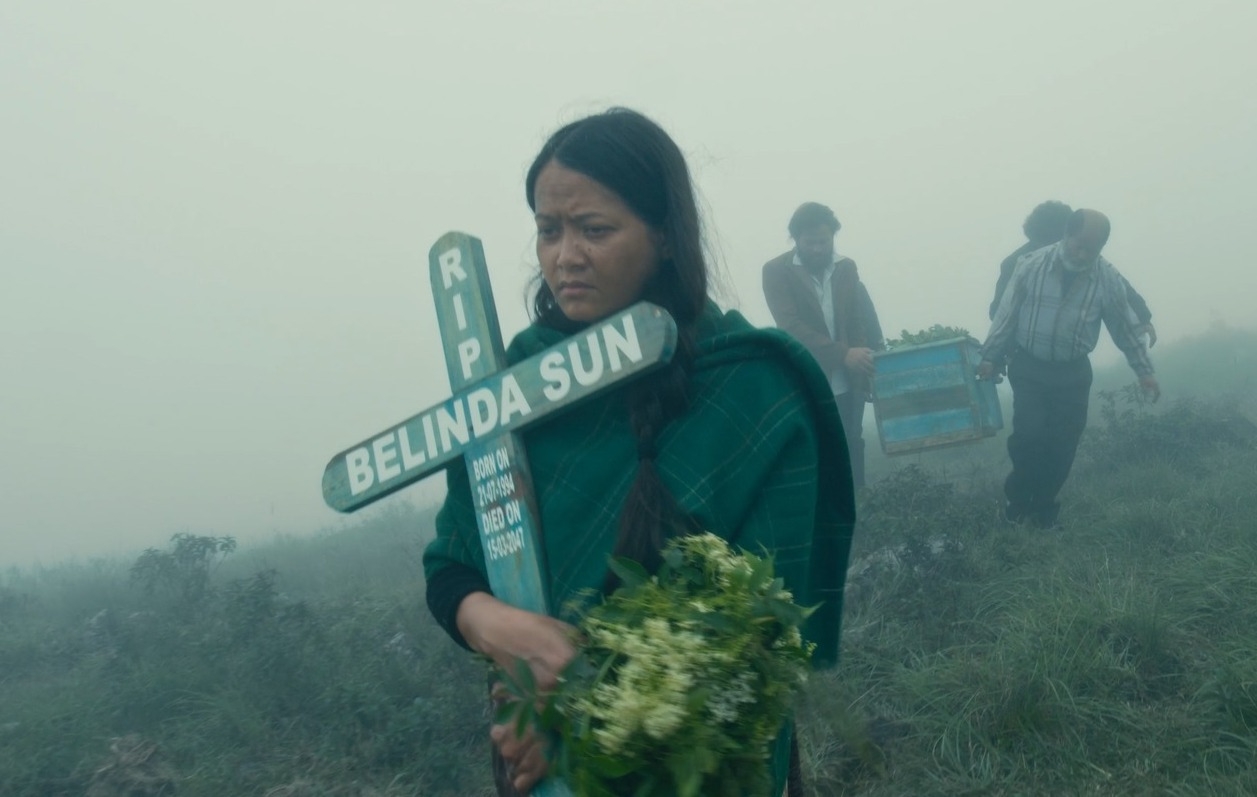
 이미지 확대보기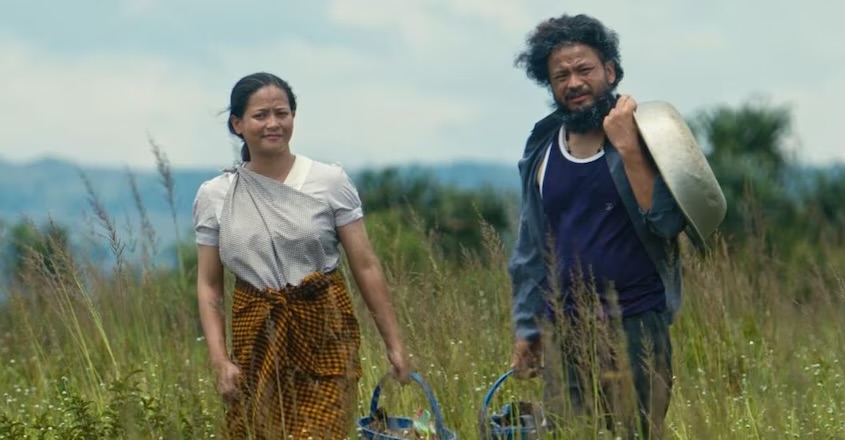
 이미지 확대보기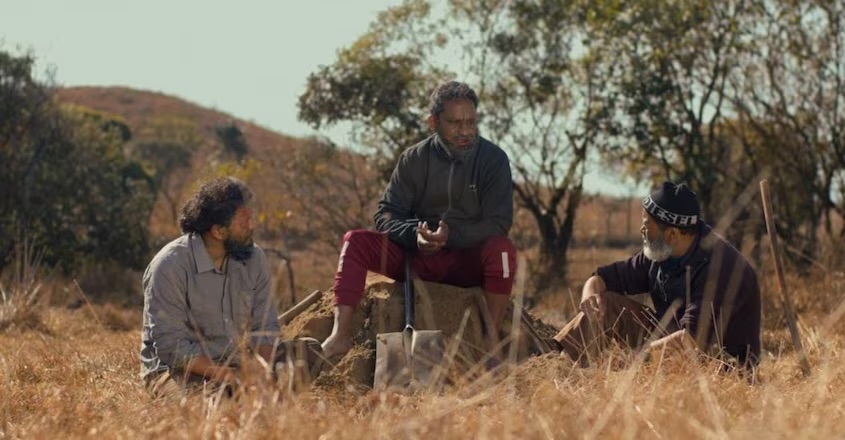
 이미지 확대보기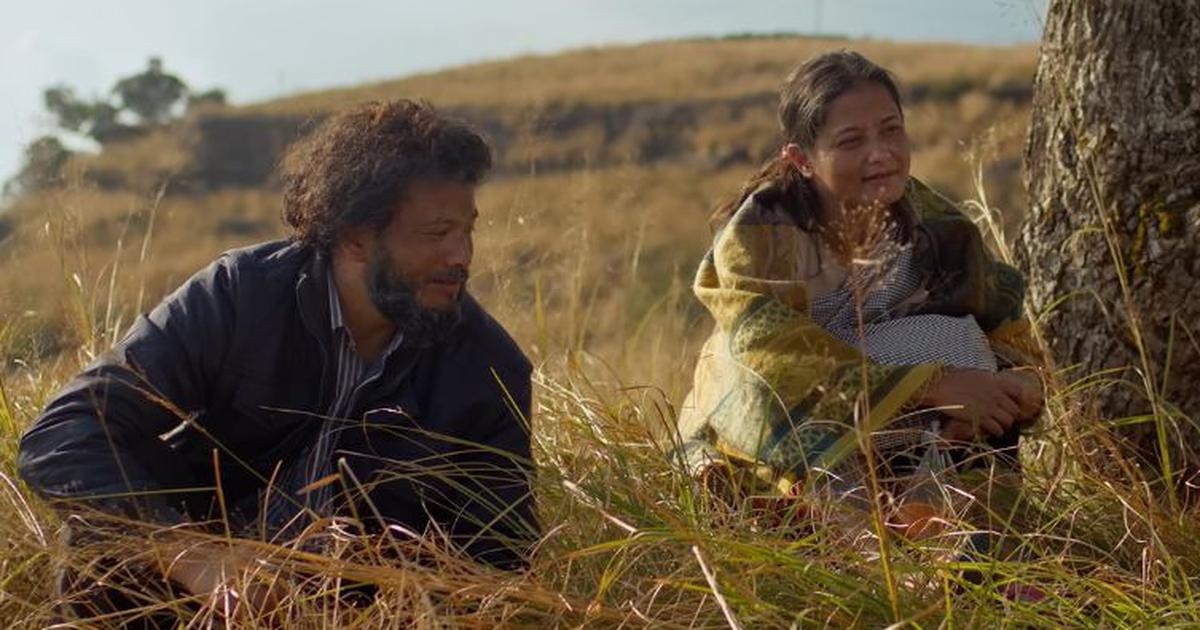
 이미지 확대보기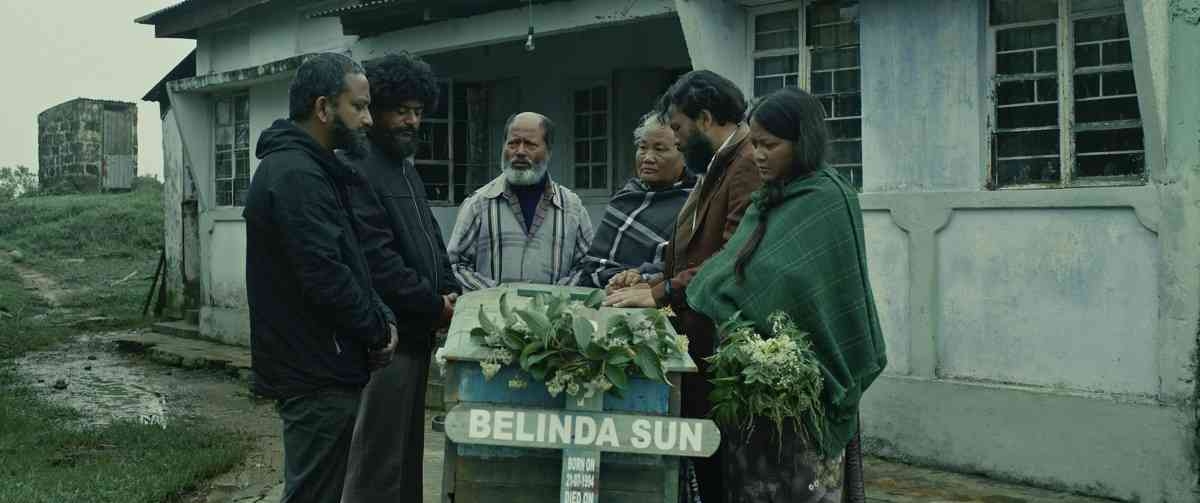
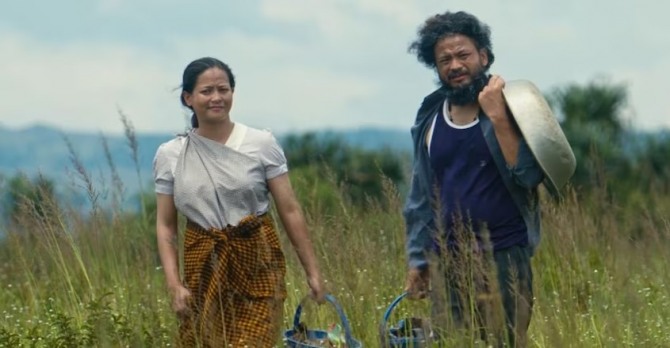
여섯 명의 등장인물은 컴플리트가 목사로 있는 지역 교회에 다닌다. 다섯 명만 남게 되자, 그들은 다른 사람의 죽음으로 일이 과중해질 것을 두려워하여 순종적인 태도로 무덤을 파기 시작한다. 또 다른 황당한 행동으로, 프라이데이는 버려진 허름한 집의 현관문을 고친다. 이는 아내 마이아에 대한 형언할 수 없는 감정을 암시하는 것일지도 모른다. 두 사람의 관계는 순탄치 않기 때문이다. 하지만 소위 ‘유해한 남성성’은 그들의 전통적인 모계 사회 분위기와는 아무런 관련이 없다. 영화는 카시족의 모계 구조를 깊이 있게 보여주며 이를 분명히 드러낸다. 그들의 뿌리 깊은 전통과 윤리는 이상적인 모습(천상군자)으로 그려진다.
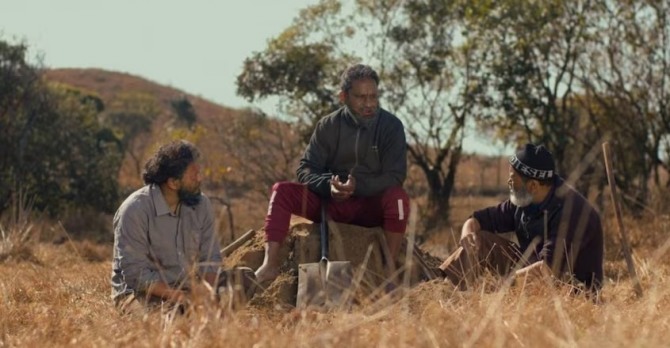
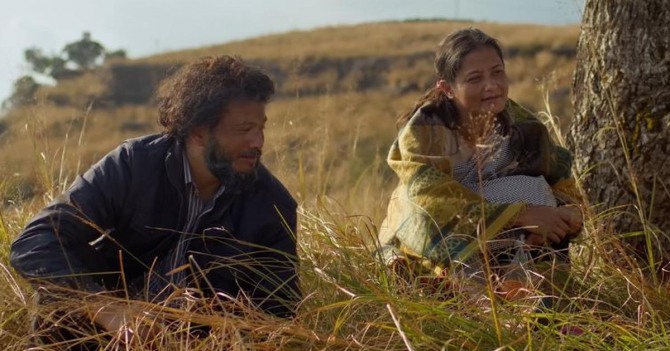
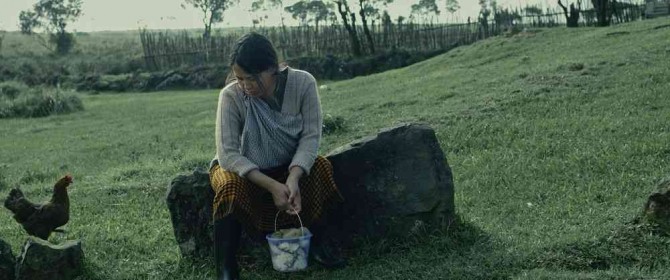
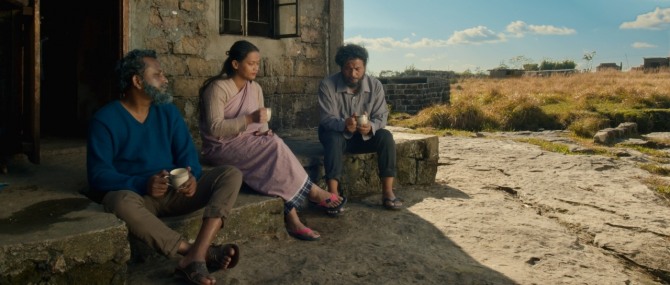
그러나 프라이데이의 죽음은 마이아에게 일종의 부활을 가져다주어, 자유분방한 영혼으로 변모하고 떠들썩한 잔치를 벌이게 한다. 이는 결국 리빙스턴과 그의 이웃인 프라미스 사이의 질투심을 불러일으킨다. 두 남자 중 누구를 더 좋아하느냐는 질문에, 당당한 마이아는 아이러니하게도 “나 자신”이라고 대답한다. 저녁 풍경을 담은 중간 샷에서 세 사람은 커다란 바위에 앉아 있다. 이는 기적을 행하는 성경 속의 끈을 암시하는 것인가? 주로 미디엄 와이드 샷을 사용하여 이야기의 분위기를 재정의하며, 압바스 키아로스타미와 왕자위웨이 감독의 자연주의적 연출 방식을 닮아있다.
사계절의 변화무쌍한 아름다움이 렌즈를 통해 펼쳐지는 가운데, 남성 등장인물들은 마치 불균형(라디오 뉴스에서는 어딘가에 진전이 알려진다)이나 가짜 도시적 우아함에 대한 상징적인 경멸을 드러내듯 항상 덥수룩한 수염을 기르고 있다. 대조적으로, 라디오 잡음이나 삐걱거리는 풍차 소리로 이루어진 표현주의적인 사운드스케이프는 시골 정취를 더욱 돋보이게 한다. 해석하기보다는 느껴지는 순수한 시적 순간들이 있다. 컴플리트가 마이아가 프라이데이의 죽음을 슬퍼하는지 은근히 의심하자, 마이아는 즉각적으로 “나는 슬프지 않아요. 잃어버린 곳에서 행복을 찾지 않으니까요.”라고 대답한다. 이 대사는 반박의 여지를 남기지 않는다.
진부한 틀을 깨고, '엘리시안 필드'는 멜로드라마나 줄거리 전개 없이 냉소적인 아이러니를 담아낸 포스트모더니즘 영화로 인식될 수 있다. 미래 배경이지만, 현대 현실을 날카롭게 꿰뚫어 보는 이 작품은 쿠르바 감독의 다른 영화들에서도 찾아볼 수 있는 특징을 지닌다. 그의 데뷔작 '리: 불확실한 고향'(2013)은 자유와 저항이라는 주제를 다루었고, '오나타아: 대지의'(2016)는 현실에 직면한 젊은 성폭력 피해자를, '이우두'(2019)는 번화한 도시 시장 사람들의 일상을 그렸는데, 이 세 작품 모두 국내 영화상을 수상했다. 특히 '이우두'는 부산영화제에서 김지석상을 받았다.
 이미지 확대보기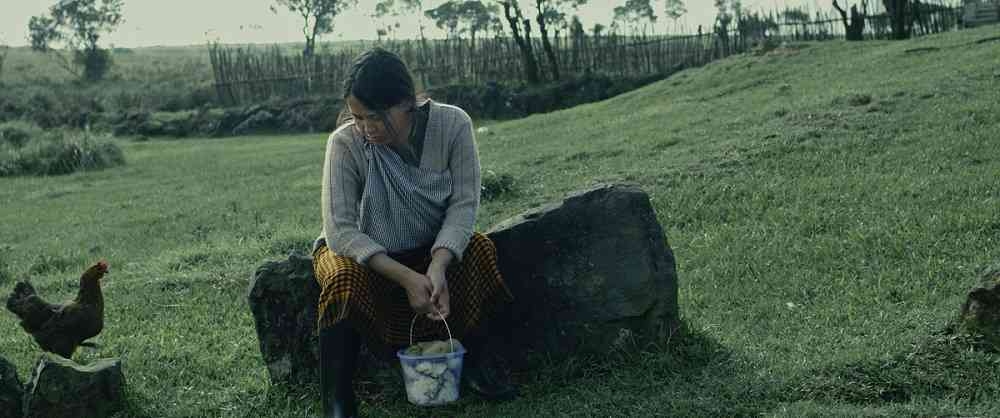
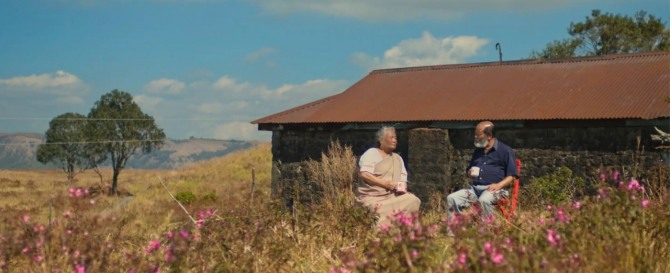 이미지 확대보기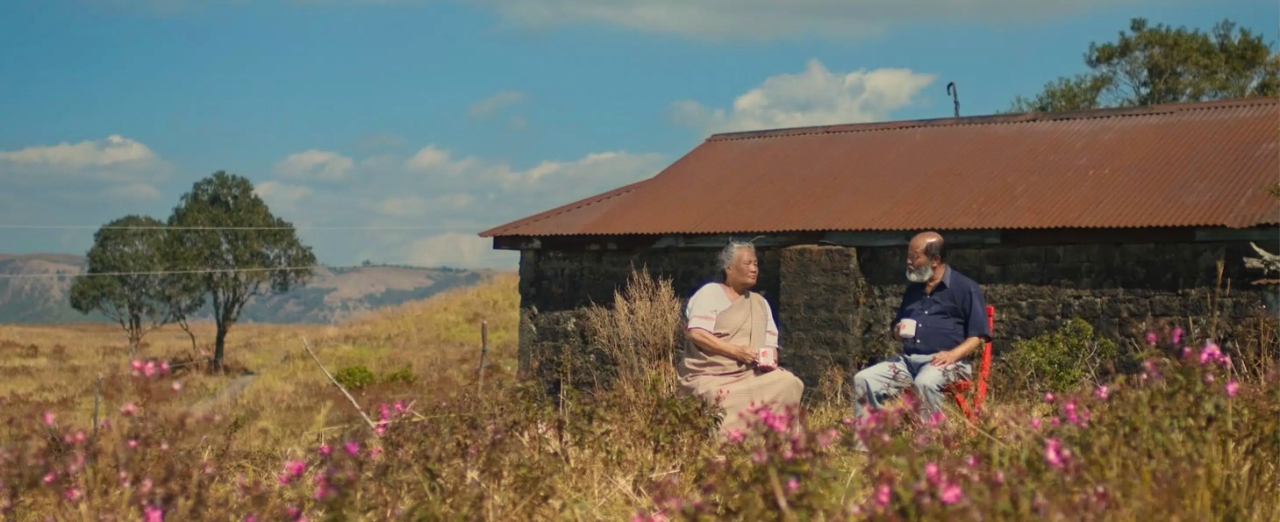
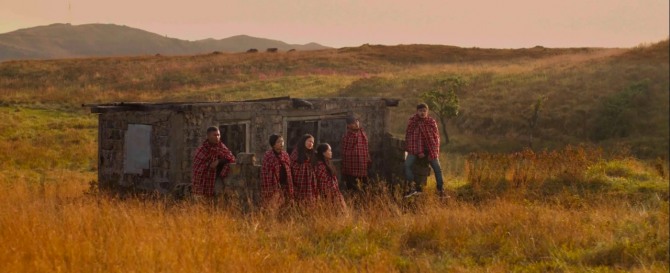 이미지 확대보기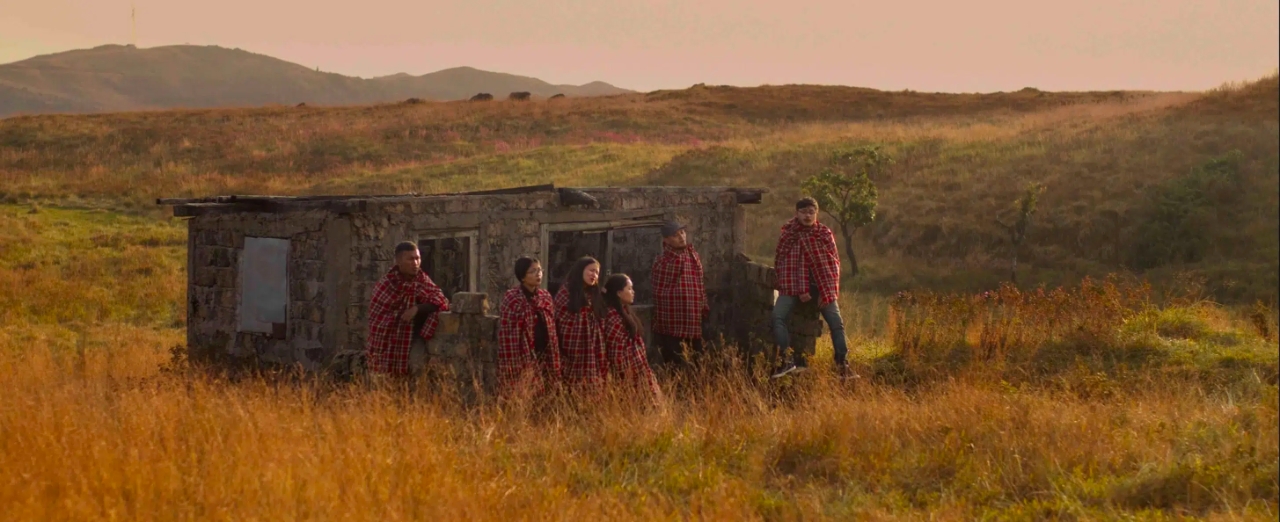
 이미지 확대보기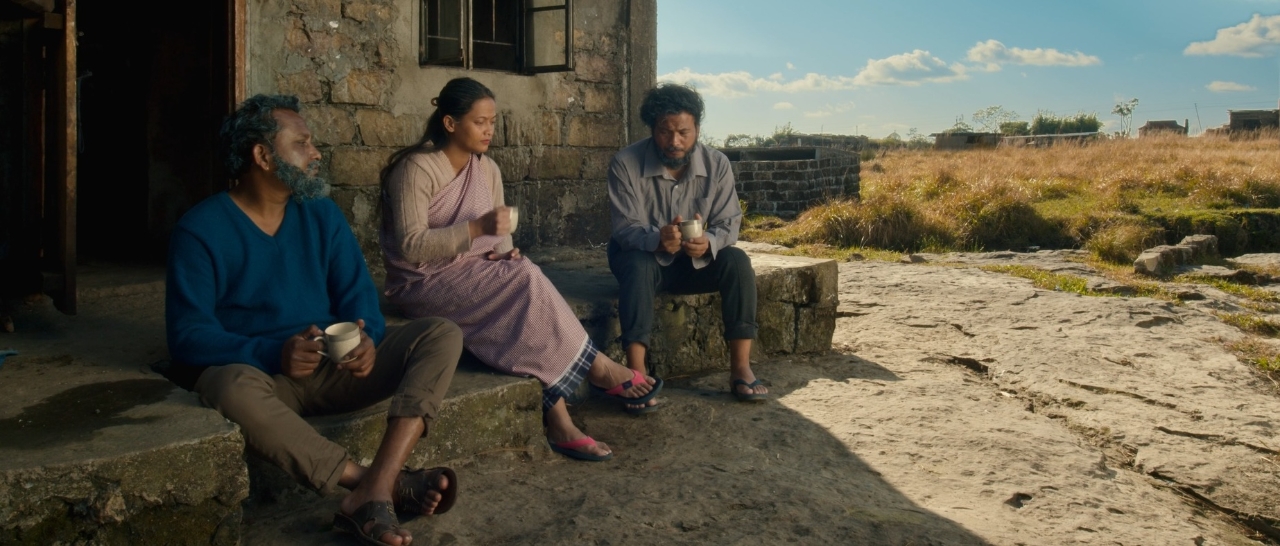
 이미지 확대보기
The Elysian Field directed by Pradip Kurbah, A tale of remoteness and nagging troubles
Manoj Barpujari(Poet, Indian Film Critic, Film Director)
Hailing from Meghalaya in northeast India, Pradip Kurbah is emerging as a paragon for indie filmmakers. His fourth feature, The Elysian Field (2025), had its world premiere at Moscow (47th MIFF), where it received three awards of Best Film, Best Director, and Best Asian Film from the NETPAC. The Khasi-language film was earlier selected for the Asian Cinema Fund (ACF) at Busan.
Set in an upland region, The Elysian Field is a testament to minimalism backed by a soft political undertone running through its diegesis. The visually explicit geo-infrastructural handicaps of the locale get a sardonic fillip in the courtesy of naming one vital character as ‘Complete’. He and another in his rural neighbourhood haven’t exercised their franchise for 10-20 years because they’re furious over the constant negligence their land is accustomed to. Often disgruntled over intermittent power cuts and a feeble mobile phone network, their grievances are doubly vindicated when an electricity malfunction is hinted at as doable for the local elected representative.
The film revolves around six natives, the last remaining people of a remote village where abandoned houses pose evidence of dwindling local population, stated as a result of outward migration. At the outset, a man arrives by bus, and a coffin is carried on foot, traversing narrow, unpaved pathways, an incomplete footbridge and so on, conveying isolation and underdevelopment of the place. Livingstone, the bereaved man, thus brings his late city-dweller wife. As the coffin is taken for burial, the grave-sign shows 2047 as the year of her demise. That means up to the centenary year of the country’s Independence, people are used to both changes and stagnancy.
The scenario of bus stoppage at the beginning is enlivened by a motley young group singing in a choir. Being sung in an unlikely language in the given locality, it represents the Christian spirit of inclusivity, and also contradicts the xenophobic mindset once avowed by Complete in his village headman days. The choir group forms a psychedelic motif connecting the real and the metaphysical worlds-seen only by somebody close to death. Friday, one of them, occasionally witnesses the Carol singers till he dies of alcoholism, and so does Livingstone’s mother, who catches a glimpse of the choir as an angel in her dying days.
The six characters adhere to the local church, with Complete serving as pastor. After their number is reduced to five, they start digging graves in a propensity of submissiveness, lest any other’s death renders the task overburdened. In another absurd act, Friday repairs the front door of a deserted, ramshackle house, an act of insinuation might be to an ineffable feeling for his wife, Maia, for theirs is a dysfunctional relationship. But what is called ‘toxic masculinity’ has no part in their customary matriarchal nuances. That is palpable as the film imbibes the Khasi tribe’s matrilineal structure. Their rootedness and ethos thereupon are surmised as elysian.
Yet, Friday’s death causes a kind of resurrection in Maia, transforming her into a free-spirited soul in boisterous feasting, eventually fuelling envy between Livingstone and his neighbour, Promise. When asked who she would prefer between the two men, a self-assertive Maia ironically replies, “Myself.” A mid-shot of an evening landscape shows the threesome sitting on a large rock; is that postulating a biblical cord, one may wonder. The pneuma of the narrative is redefined with mostly medium wide shots, resembling Abbas Kiarostami’s and Wong Kar-Wai’s sense of naturalism.
Within the disparate seasons of the year and their grandiose beauty rolled out through the lenses, the male characters always remain heavily bearded as if they sport a symbolic scorn to disparity (radio bulletins announce progress somewhere) or fake urban elegance. In contrast, the rhythm of rustic charm is elevated by an expressionistic soundscape consisting of a radio hum or a creaking windmill. There are moments of pure poetry, felt rather than deciphered. As Complete insidiously doubts whether Maia is grieving for Friday’s death, she reacts instantly: “I am not sad because I don’t look for happiness where I lost it.” The evocation didn’t generate an argument.
In defiance of the clichés, The Elysian Field can be perceived as postmodernism in films with detached irony, having no melodrama, no plot claim. Although it is a futuristic film, it vehemently scans contemporary reality, a trait that characterised Kurbah’s other films as well. His debut feature Ri: Homeland of Uncertainty(2013) dealt with the idea of freedom and insurgency, while Onataah: Of the Earth(2016) depicted a young rape survivor facing reality, and Iewduh(2019) focused on the everyday life of people in a bustling city market, all three national award winners. The third one(Iewduh) achieved a Kim Jiseok Award at Busan.
마노지 바르프자리(Manoj Barpujari, 시인, 인도 영화평론가, 영화감독), 번역=장석용 문화전문위원(전 한국영화평론가협회 회장)






![[엔비디아 GTC 2026] 'AI 추론 칩' 공개로 주가 반등 시동 걸리나](https://nimage.g-enews.com/phpwas/restmb_setimgmake.php?w=80&h=60&m=1&simg=2026031418273707380fbbec65dfb211211153121.jpg)